
JAKARTA – Indonesia’s financial markets experienced a notable downturn on Friday, July 29, 2025, as both the Composite Stock Price Index (IHSG) and the national currency, the Rupiah, saw significant weakening. This market movement, however, was deemed a “natural response” by Susiwijono Moergiarso, Secretary of the Coordinating Ministry for Economic Affairs, who addressed reporters in Jakarta regarding the developments.
Susiwijono emphasized that market stability is a crucial factor for investors, thus explaining the observed reaction. In light of these fluctuations, President Prabowo Subianto promptly issued an official statement, urging the public to remain calm and place full trust in the government’s commitment to implementing the best measures to safeguard the nation’s economic well-being. This directive aims to instill confidence and prevent undue panic amidst the market volatility.
The government expressed its hope for a swift return to conducive market conditions, believing that a stable environment is essential to prevent any further adverse impact on Indonesia’s economic growth trajectory. Susiwijono reiterated the nation’s ambitious goal of achieving a higher economic growth rate in the third quarter. With only one month remaining (September), the administration is actively ensuring that various economic stimulus programs are fully operational and poised to deliver a positive effect on the country’s Q3 economic performance.
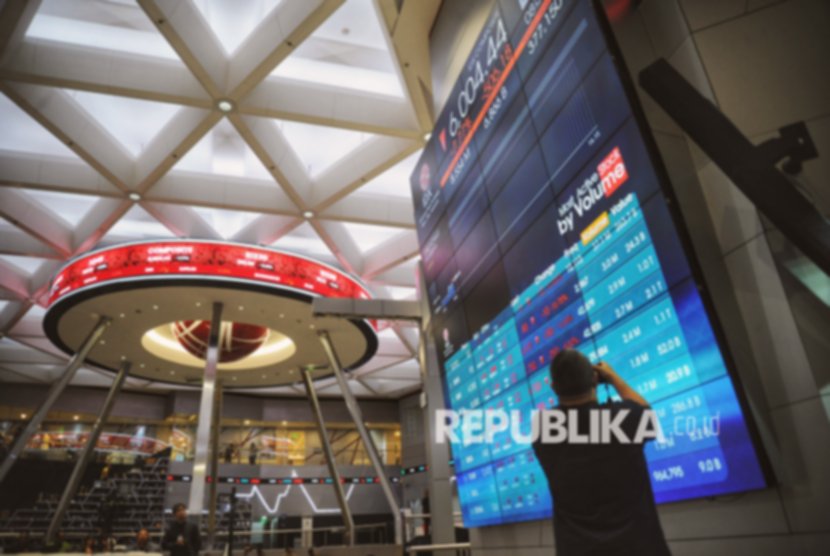
Examining the day’s trading, the IHSG recorded a substantial drop of 2.27 percent, closing at 7,771.28 points at the end of Friday’s first trading session. By the market’s close, the index had further slipped, concluding the day down by 121.59 points, or 1.53 percent, to settle at 7,830.49. The broader market reflected this downturn, with 610 stocks declining, while only 122 managed to gain, and 70 remained unchanged.
A closer look at sectoral performance revealed that cyclical consumer goods bore the brunt of the correction, plummeting 3.06 percent. The infrastructure sector followed closely with a 2.27 percent decline, and technology stocks also saw a significant dip of 2.25 percent. In stark contrast, the industrial sector stood out as the sole segment to defy the negative trend, posting a respectable gain of 0.73 percent, thereby remaining in positive territory.
Summary
On Friday, July 29, 2025, Indonesia’s financial markets experienced a notable downturn, with both the Composite Stock Price Index (IHSG) and the Rupiah weakening significantly. Susiwijono Moergiarso from the Coordinating Ministry for Economic Affairs termed this a “natural response” to market stability concerns for investors. President Prabowo Subianto urged the public to remain calm and trust the government’s measures to protect the economy, which aims for a swift return to stable market conditions.
The IHSG closed down 1.53% (121.59 points) at 7,830.49, with 610 stocks declining overall. Cyclical consumer goods, infrastructure, and technology sectors saw the largest drops, while the industrial sector was the only segment to gain, rising 0.73%. The government is actively implementing economic stimulus programs to ensure a positive impact on the country’s third-quarter economic growth.