

JAKARTA — Pop Mart founder, Wang Ning, experienced a significant decline in his net worth following a sharp drop in the toy company’s shares after the release of its 2025 annual financial report. This dramatic shift underscores the volatile nature of market sentiment, even for thriving brands.
According to Forbes, shares of the company, listed on the Hong Kong Stock Exchange, plunged by over 22% on Wednesday. This steep decline erased approximately US$2.7 billion from Wang Ning’s personal fortune, reducing his net worth to an estimated US$13.6 billion. The vast majority of his wealth is derived from his substantial ownership stake in Pop Mart.
This remarkable decrease in valuation occurred despite what appeared to be robust fundamental performance. Throughout 2025, Pop Mart reported a staggering 184.7% year-on-year surge in sales, reaching 37.1 billion yuan (approximately US$5.4 billion). Furthermore, net profit quadrupled to 13 billion yuan, showcasing impressive operational strength.
However, market participants seemed to focus more intently on signs of decelerating expansion, particularly within international markets during the final quarter of the past year. This perceived slowdown overshadowed the stellar overall annual figures.
Ke Yan, Head of Research at DZT Research, highlighted that previous quarterly data indicated a significant slowing of growth outside China when compared to the third quarter, which had seen an impressive 245% sales surge. This quarter-on-quarter deceleration in international growth raised red flags for investors.
A similar perspective was shared by Morningstar analyst Jeff Zhang, who noted that Pop Mart’s actual revenue and profit figures fell short of market expectations. This discrepancy fueled concerns regarding the long-term sustainability and continued strength of the company’s core intellectual properties (IPs).
Adding to the negative sentiment was the reduction of Pop Mart’s dividend payout ratio to 25% in 2025, down from 35% previously. Additionally, the company’s strategic expansion into new business sectors, such as licensing and theme parks, was viewed as carrying considerable execution risk, further dampening investor confidence.
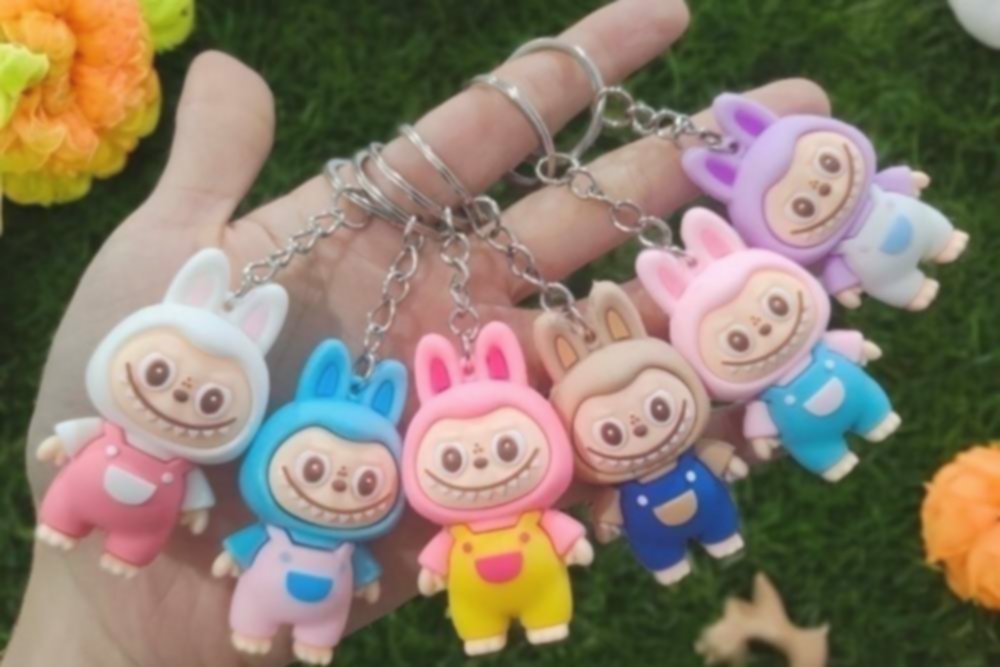
To date, Pop Mart’s meteoric growth has been largely underpinned by the immense popularity of the Labubu character—a distinctive, toothy doll that has become a global collecting phenomenon. Created by designer Kasing Lung, Labubu has captivated a broad audience, especially among young enthusiasts, and gained further traction after being promoted by celebrities like Lisa on social media.
Despite this reliance, Pop Mart is actively pushing for portfolio diversification, introducing new characters like Twinkle Twinkle to broaden its intellectual property base and reduce dependence on a single blockbuster success.
During a performance presentation, Wang Ning affirmed that Pop Mart is not solely reliant on one character. However, he candidly admitted the formidable challenge of maintaining high growth rates, likening the company’s situation to a “rookie racer suddenly entering the Formula 1 arena with immense pressure.”
Looking ahead, Pop Mart aims for a minimum of 20% annual revenue growth while steadfastly maintaining profitability. “We will not pursue aggressive growth at the expense of profit,” Wang stated, emphasizing a balanced approach to expansion.
Furthermore, Pop Mart is strategically planning to expand its business lines by introducing new product categories, including household goods, which are slated for launch in the near future, signaling a broader market ambition.
Founded in 2010 as a small toy shop, Pop Mart rapidly ascended thanks to Labubu’s overwhelming global success. While this success propelled Wang Ning into the ranks of China’s wealthiest individuals, with his fortune peaking at an estimated US$27.5 billion in 2024, that value has now shrunk amidst the recent stock decline and signs of a potential moderation in the popularity of its flagship products.