
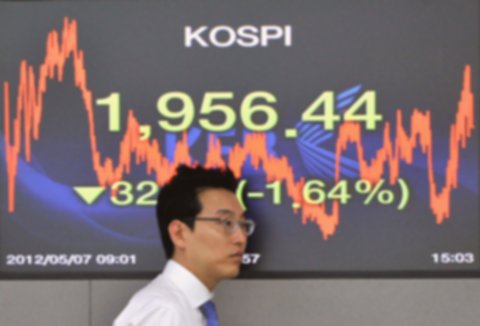

Asian stock markets experienced a particularly gloomy Monday morning on March 30, 2026, as indices across the region saw significant declines. This widespread downturn followed a sharp surge in global crude oil prices, which briefly touched USD 116 per barrel, signaling deepening economic anxieties.
The primary catalyst for this market turmoil was the closure of the Strait of Hormuz, a critical global choke point for oil transit. Immediately after its closure, prices for essential commodities like oil, natural gas, fertilizers, plastics, and aluminum sharply escalated. Beyond raw materials, the financial ripple effect is projected to significantly impact the costs of aviation and shipping fuels, food supplies, pharmaceuticals, and various petrochemical products, all expected to climb.
This dramatic increase across vital sectors is set to have far-reaching economic consequences. A Reuters report on March 30 highlighted that these developments are poised to “trigger a surge in inflation and heighten the risk of recession in most parts of the world,” painting a bleak picture for the global economy.
Equity markets across Asia reacted sharply to these concerns. Japan’s Nikkei index, already under pressure, suffered another 3.4 percent drop on Monday, pushing its total losses for March to nearly 13 percent. This substantial monthly decline underscores the severity of investor apprehension.
The negative sentiment permeated other regional markets as well. South Korea’s market saw a 3 percent dip on Monday, while China’s blue-chip stocks recorded a more modest but still negative 0.2 percent loss. Reflecting the pervasive fear spreading throughout the region, the broader MSCI index for Asia-Pacific stocks, excluding Japan, collectively fell by 1.3 percent.
Experts are weighing in on the potential long-term repercussions. Bruce Kasman, JPMorgan’s Global Chief Economist, emphasized the critical nature of the situation: “The longer the Strait remains closed, the sharper the draw on buffer supplies, which could trigger a drastic increase in crude oil, natural gas, and other commodity prices.” His statement highlights the fragility of global supply chains.
Kasman further elaborated on a concerning scenario: “A situation where the Strait remains closed for an additional month would be consistent with oil prices soaring towards one hundred fifty Dollars per barrel and leading to restrictions on industrial energy consumers.” This forecast paints a stark future for energy-intensive industries worldwide.
Meanwhile, the broader commodity markets reflected the escalating crisis. Gold prices, often seen as a safe-haven asset or a hedge against inflation, traded at USD 4,493 per troy ounce, receiving some modest support amidst the market turbulence, though not enough to fully offset wider losses.
In the crucial oil sector, the impact was immediate and significant. According to oilprice.com, Brent crude surged to USD 116 per barrel during trading today, marking a substantial 3.66 percent jump. Simultaneously, West Texas Intermediate (WTI) crude, another key benchmark, also experienced a significant rise, leaping 3.18 percent to USD 102.80 per barrel, confirming the widespread shock to energy markets.