

The rejection of a proposal to tax the Strait of Malacca and a significant 3 percent drop in the IHSG were among the most discussed business topics on Friday, April 24. Here is a summary of the key developments that shaped the market landscape.
Singapore and Malaysia Reject Proposal to Tax Strait of Malacca Shipping
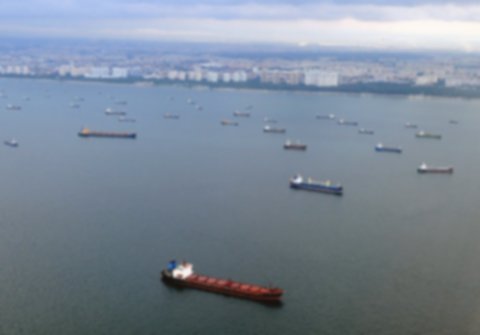
Indonesian officials, championed by the vision of Purbaya, recently floated a proposal to impose a transit tax on vessels passing through the Strait of Malacca. Drawing inspiration from the revenue model applied by Iran in the Strait of Hormuz, the plan suggested that Indonesia, Malaysia, and Singapore could generate substantial income from the route, which facilitates roughly 70 percent of energy and trade flows for East Asia. Under this proposal, revenue would be distributed based on the length of the maritime area governed by each nation.
However, the initiative faced immediate and firm opposition from regional neighbors. Singapore’s Foreign Minister, Vivian Balakrishnan, stated that the Strait of Malacca must remain an open, toll-free transit corridor. He emphasized that Singapore would not support any efforts to restrict access or impose tariffs, noting that maintaining open trade routes is critical for the global economy—a strategic stance that has already been communicated to major powers including Beijing and Washington.
Malaysia echoed this sentiment, with Foreign Minister Mohamad Hasan stressing that any decisions regarding the management of the Strait cannot be made unilaterally. He highlighted that Malaysia, Singapore, Indonesia, and Thailand have long maintained a strong consensus-based approach to maritime security, including collaborative patrols. This cooperation underscores the region’s commitment to multilateral governance rather than unilateral action in managing this vital trade artery.
Analysts Break Down the 3 Percent Plunge in the IHSG

The Indonesian Composite Index (IHSG) experienced a sharp decline of 3.06 percent, or 225.75 points, closing the first session of trading on Friday at 7,152.85. This downturn was driven by a convergence of macroeconomic volatility and geopolitical uncertainties affecting both domestic and global markets.
Myrdal Gunarto, a Global Market Economist at Maybank Indonesia, pointed to heightened tensions in the Middle East, specifically around the Strait of Hormuz, as the primary catalyst. The threat of a blockade in the region pushed oil prices above USD 100 per barrel, triggering a flight to safety among global investors and prompting a withdrawal from assets in oil-importing nations. While Indonesia’s macroeconomic fundamentals remain relatively solid, the rising price of oil has stoked fears of imported inflation. Market participants are also closely monitoring potential updates from MSCI regarding Indonesia’s investment status.
Nafan Aji Gusta, Senior Technical Analyst at Mirae Asset Sekuritas, added that the index is currently undergoing a standard technical correction. Despite some positive signals from the RSI indicator, negative trends in Stochastics K_D persist. Escalating geopolitical tensions between the U.S. and Iran have further fueled uncertainty, driving investors toward safe-haven assets like the U.S. dollar. Consequently, the rupiah weakened by approximately 105 points to settle around Rp 17,280, while Brent crude oil prices surged to nearly USD 106 per barrel.
Summary
Singapore and Malaysia have formally rejected an Indonesian proposal to impose transit taxes on vessels passing through the Strait of Malacca. Officials from both nations emphasized that the strait must remain an open, toll-free corridor to ensure global trade stability. They maintained that any management of the vital waterway should be handled through existing multilateral cooperation rather than unilateral action.
Meanwhile, the Indonesian Composite Index (IHSG) experienced a sharp 3.06 percent decline, largely driven by macroeconomic volatility and rising geopolitical tensions in the Middle East. Surging oil prices and increased uncertainty have prompted investors to shift toward safe-haven assets, leading to a weakening of the rupiah. Analysts suggest that while Indonesia’s fundamentals remain solid, the market is currently undergoing a necessary technical correction amidst global pressures.