

Jakarta — The spouses of several figures embroiled in policy-related criminalization cases have spoken out, revealing how legal proceedings that deviate from factual evidence have devastated their families’ lives and reputations. Despite the personal toll, they remain hopeful that these incidents will not stifle the drive for public innovation.
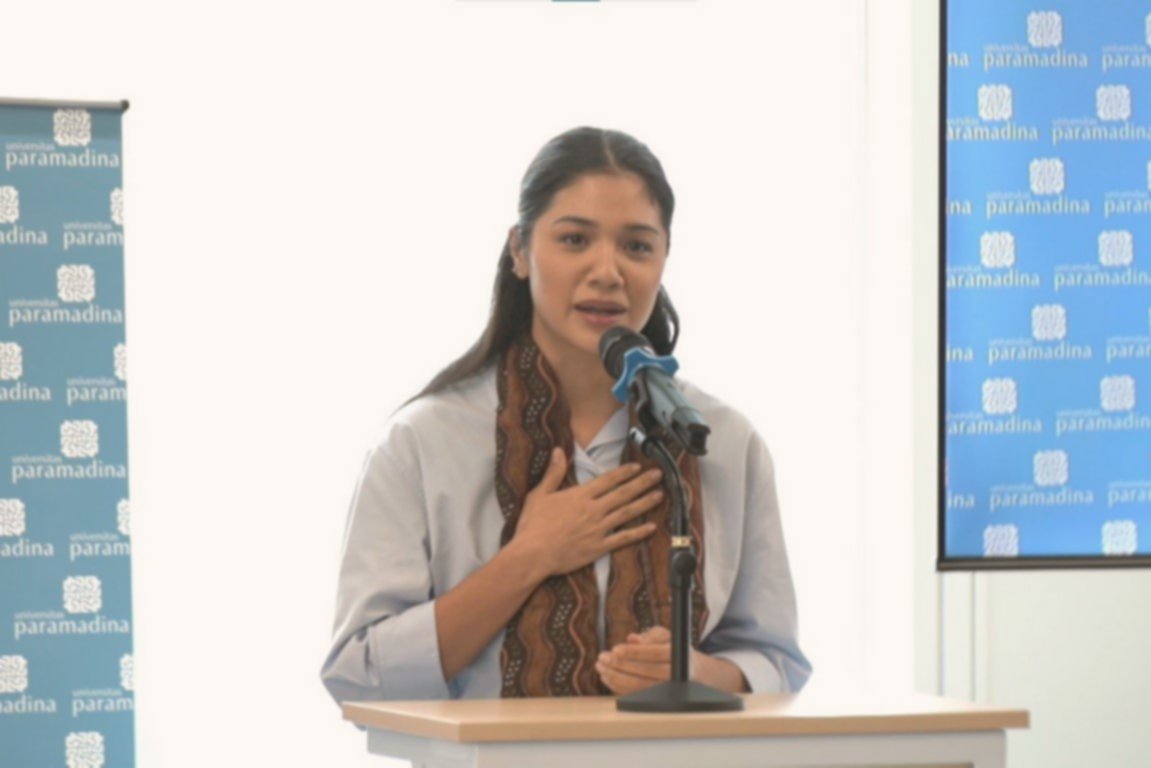
Franka Franklin Makarim, wife of former Minister of Education, Culture, Research, and Technology Nadiem Makarim, shared her testimony during a book soft launch at Universitas Paramadina, Jakarta, on Tuesday (April 28, 2026). She emphasized that a single verdict—ranging from one to twenty years—ripples far beyond the individual defendant.
“One case does not just affect one person. A verdict, whether it is one year, 10 years, or 20 years, destroys the entire ecosystem of that family if the person is truly innocent,” said Franka. Her husband, Nadiem, is currently a defendant in an alleged corruption case involving the digitalization of education, specifically the procurement of Chromebooks and Chrome Device Management (CDM) tools between 2019 and 2022. The state claims a loss of Rp2.18 trillion in the case.
Franka described the sudden burden placed on families, who are forced to scramble for financial, emotional, and physical security. She highlighted the plight of children who must navigate school life while grappling with their fathers’ legal battles or, worse, remaining in the dark about the true nature of the situation. “For the women here whose husbands are facing similar circumstances, this is not a normative issue—it is deeply personal. We must live through it, accept it, and pray every single day,” she added.
Echoing these sentiments, Utari Wardhani, wife of former Pertamina International Shipping (PIS) CEO Yoki Firnandi, criticized the trial by press phenomenon, which she claims has systematically dismantled the reputations of those involved before a verdict was even reached.
In the corruption case regarding crude oil management at PT Pertamina and its subsidiaries (2018-2023), nine defendants have been sentenced. Among them are Riva Siahaan and Maya Kusuma, both formerly of PT Pertamina Patra Niaga, who received nine-year sentences. Yoki Firnandi was also sentenced to nine years with a fine of Rp1 billion. The Attorney General’s Office is currently appealing these verdicts.
Utari expressed frustration over the early narratives used by the Attorney General’s Office, which initially mentioned adulterated oil and a staggering Rp1,000 trillion in losses. “This Pertamina case is unique because people are afraid to help us speak out; our image has been destroyed by sensationalized narratives. People only remember the allegations of adulterated oil and massive corruption, yet few realize these charges were never proven in court. The adulterated oil claim does not exist, and the Rp1,000 trillion figure was never substantiated,” Utari stated.
Regarding her husband’s dedication, Utari noted that during his tenure as CEO, Yoki increased PT PIS’s profits from Rp1.9 trillion to Rp9.1 trillion in just two and a half years. “One can see and judge his commitment to growing the company he led. What kind of corruptor would deliver such substantial profits to a company?” she asked.
Despite the immense pressure, Franka urged current policymakers not to lose their spirit for innovation. She remains convinced that dedication and integrity are legacies that will eventually be recognized by future generations. “I only hope that the fear of innovation or service, stemming from these cases of criminalization, does not outweigh the hope we have for the potential of our nation,” she concluded.
Summary
Spouses of individuals facing policy-related criminalization, including Franka Franklin Makarim and Utari Wardhani, have publicly addressed the profound personal and reputational damage caused by these legal proceedings. They argue that unsubstantiated allegations and sensationalized media narratives have devastated their families’ lives and dismantled their reputations, regardless of the ultimate court outcomes. Franka highlighted the immense emotional and financial burden placed on defendants’ families, while Utari pointed to unproven claims of corruption that unfairly tarnished her husband’s professional achievements.
Despite these significant personal struggles, the families remain committed to advocating for the truth and integrity of their loved ones. Franka explicitly urged current policymakers to persevere in their efforts for public innovation and service, despite the fear created by potential criminalization. She remains hopeful that their dedication will eventually be vindicated, ensuring that the desire to contribute to the nation’s progress is not stifled by these ongoing legal challenges.