
News Summary:
- Iran has implemented new, stricter regulations for vessel traffic in the Strait of Hormuz, requiring military coordination and formal authorization.
- These measures have intensified regional tensions, with Tehran demanding that United States naval forces maintain their distance from the strategic waterway.
- The move has sparked widespread concerns regarding the stability of global energy transit routes and has triggered volatility in international oil prices.
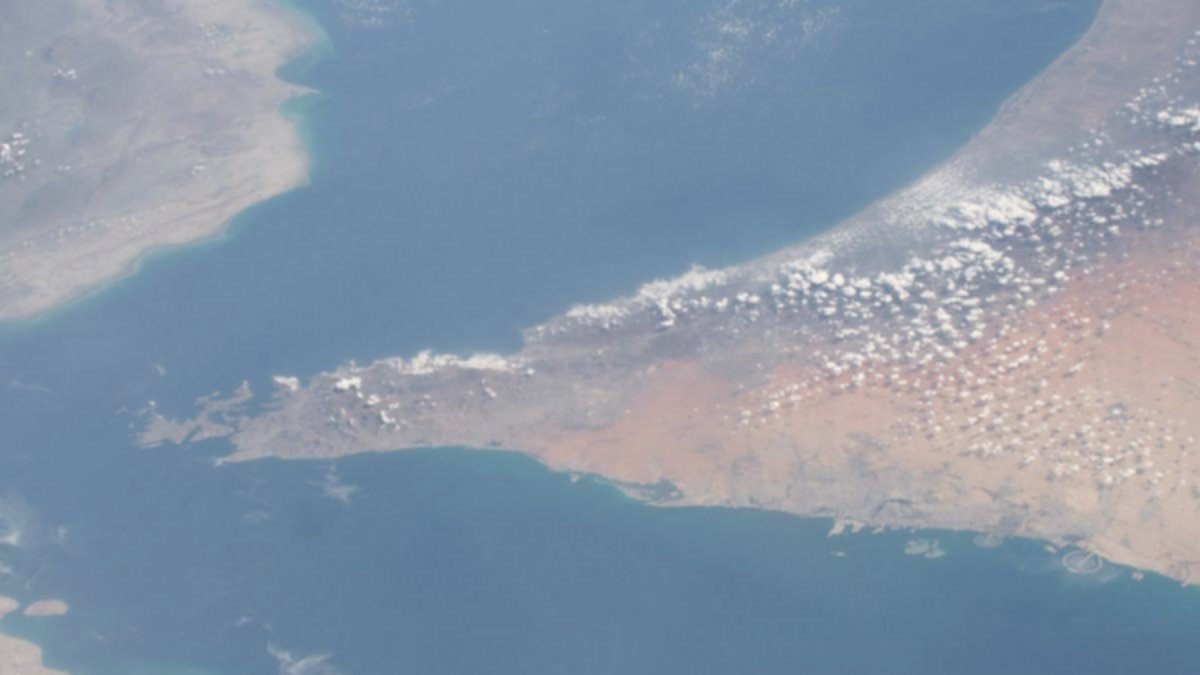
Flooring Guide by Cinvex Tensions in the Middle East have escalated once again as Iran officially introduced a new set of protocols governing maritime traffic in the Strait of Hormuz. This initiative represents a significant move by Tehran to tighten its grip on one of the world’s most vital maritime chokepoints—a strategic passage that serves as the primary artery connecting the Persian Gulf to global energy markets.
Under these new mandates, every vessel intending to transit the strait must adhere to rigorous military coordination and clearance procedures. Reports indicate that ships are now required to receive formal notification and explicit authorization before they are permitted to proceed. Furthermore, Iran has issued a direct warning to the United States Navy, instructing its forces to remain clear of the area to avoid potential military escalations.
This policy shift arrives against the backdrop of long-standing friction between Iran and the U.S. By asserting greater control over this critical route, Tehran has effectively placed the Strait of Hormuz back at the center of international concern, raising alarms about the future of global oil and gas trade stability.
As reported by the Iranian media outlet Press TV, these mechanisms for managing maritime traffic took effect on Tuesday, May 6, 2026. According to Reuters, commercial ships are now obligated to coordinate directly with the Iranian military. As part of this enforcement, Iran has also released new maritime maps that delineate an expanded area of control within the strait.
New Protocols for Navigating the Strait
Under the updated framework, vessels approaching the Strait of Hormuz receive digital notifications via email from accounts linked to the Persian Gulf Strait Authority (PGSA). The PGSA is responsible for detailing the specific transit requirements that ships must fulfill to gain safe passage. These steps are part of a broader effort to consolidate control over a route that facilitates a significant portion of the world’s daily oil shipments.
These measures reflect the heightened state of alert Iran has maintained since the outbreak of the U.S.-Israel conflict on February 28, 2026. Officials in Tehran have clarified that all commercial vessels must now follow designated maritime lanes and secure official approval to navigate these waters. These restrictions coincide with ongoing U.S. naval deployments in the region, which were initiated to bolster the security of commercial shipping lanes.
Trump Halts Escort Operations
In response to earlier developments, President Trump had launched Operation Project Freedom, a military effort aimed at securing commercial vessels trapped in the strait following regional strikes. However, on Tuesday, May 5, 2026, the operation was temporarily suspended. Trump stated that the pause is intended to create space for potential comprehensive negotiations with Iran.
Writing on social media, Trump noted that while the blockade remains fully in effect, Project Freedom has been paused for a short duration to determine if a formal agreement can be reached and signed.
Lack of Immediate Response from Tehran
Following Trump’s announcement, U.S. crude oil futures experienced a decline of 2.30 dollars, settling near the 100-dollar-per-barrel mark—a critical threshold that has been closely monitored since the intensification of regional conflicts. The White House has not yet provided details on the progress of these talks or the intended duration of the operational pause.
U.S. Secretary of State Marco Rubio reiterated that the United States does not recognize Iran’s authority to dictate traffic through the strait. Despite this, Iran has moved to seal the passage, threatening the use of sea mines, drones, missiles, and fast-attack craft. In response, the U.S. previously implemented a blockade of Iranian ports and increased escort patrols for commercial vessels.
Rubio confirmed that the U.S. has achieved its strategic objectives through the military campaign launched alongside Israel on February 28. “Operation Epic Fury has concluded, and we do not anticipate a similar situation occurring again,” Rubio stated, as quoted by Reuters. While one of the primary drivers behind the U.S. intervention has been to prevent Iran from developing nuclear weapons—an allegation that Tehran has consistently denied—the international community remains focused on the fragile stability of the region.
(TribunNewsmaker.com/Kompas.com)
Summary
Iran has implemented stricter maritime regulations in the Strait of Hormuz, requiring all vessels to obtain formal authorization and coordinate directly with the Iranian military. These new protocols, enforced by the Persian Gulf Strait Authority, include the use of designated shipping lanes and warnings for U.S. naval forces to keep their distance. Tehran’s move aims to consolidate control over this critical global energy transit route, significantly heightening regional tensions.
The situation has led to increased volatility in international oil prices and sparked concerns regarding the stability of global energy markets. While the U.S. has temporarily paused its escort operation, “Project Freedom,” to allow for potential diplomatic negotiations, Washington maintains that it does not recognize Iran’s authority to restrict passage. The region remains on high alert as the international community monitors the ongoing maritime standoff.