

Bank Indonesia (BI) has escalated its benchmark interest rate by 50 basis points, bringing it to 5.25%. This significant decision was reached during the Governor’s Board Meeting (RDG) held on May 19-20, 2026, amid persistent weakening of the rupiah exchange rate, which recently breached the 17,700 per US dollar mark.
Despite the benchmark rate hike, the central bank opted to keep the deposit facility rate stable at 4.25% and the lending facility rate unchanged at 6%. This strategic move aims to balance monetary tightening with other liquidity management tools.
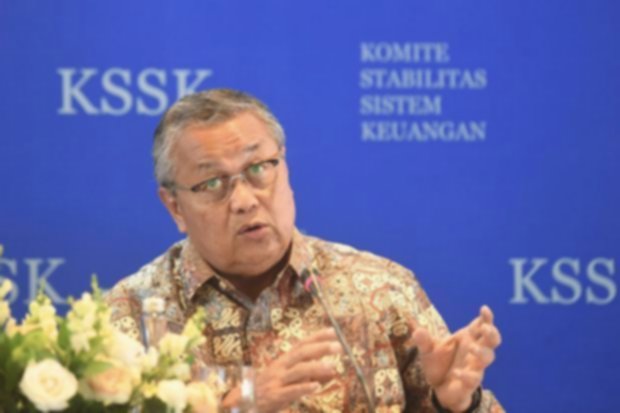
“This increase serves as a continuous effort to strengthen rupiah exchange rate stabilization, counteracting the impact of severe global volatility stemming from the Middle East conflict. It also acts as a preemptive measure to maintain inflation within our targeted range for 2026 and 2027,” stated Bank Indonesia Governor Perry Warjiyo during a press conference on Wednesday, May 20.
BI reported that the rupiah exchange rate stood at 17,700 per US dollar on May 19, marking a 2.2% depreciation since the end of April 2026. Nevertheless, the central bank maintains a confident outlook, asserting that the rupiah will stabilize and likely strengthen, bolstered by BI’s unwavering commitment, attractive investment yields, and Indonesia’s robust economic prospects.
Baca juga:
- Rupiah Anjlok, Laptop Jadi Produk Elektronik yang Paling Rentan Naik Harga
- Prabowo: Rasio Belanja Negara Indonesia Terendah di Antara Negara G20
Governor Perry Warjiyo elaborated on the potential for rising inflation, primarily driven by the rupiah’s depreciation, leading to what is known as imported inflation. Furthermore, the global surge in oil prices poses a risk for an increase in non-subsidized energy costs domestically.
Despite these inflationary pressures, Bank Indonesia has reaffirmed its dedication to anchoring inflation at 2.5% for both the current year and the upcoming year, ensuring price stability amidst global economic shifts.
BI’s decision to raise interest rates is also in alignment with the broader trend among other central banks globally. Perry Warjiyo projected that global inflation would climb to 4.3% this year, while world economic growth is anticipated to slow to 3%.
“The global monetary policy response is becoming increasingly tighter, with several central banks already initiating policy rate hikes,” he noted, highlighting a synchronized global effort to combat inflation.
Looking ahead, BI forecasts that the US Federal Reserve will likely not reduce its interest rates until the end of 2026. “There’s even a potential for further rate increases in 2027, given the persistently high inflation observed in the United States,” Perry Warjiyo concluded, underscoring the enduring impact of global monetary conditions on Indonesia’s economic landscape.
Summary
Bank Indonesia has raised its benchmark interest rate by 50 basis points to 5.25% to stabilize the rupiah, which recently weakened to 17,700 per US dollar. While the benchmark rate increased, the deposit and lending facility rates remain unchanged at 4.25% and 6% respectively. This move serves as a preemptive measure to combat imported inflation and address global economic volatility.
Governor Perry Warjiyo emphasized that the decision aligns with global tightening trends to keep inflation within the target range of 2.5% for 2026 and 2027. Despite concerns over rising energy costs and global uncertainty, the central bank remains confident in Indonesia’s economic resilience. BI anticipates that global interest rates will remain elevated as major central banks continue their efforts to curb persistent worldwide inflation.