
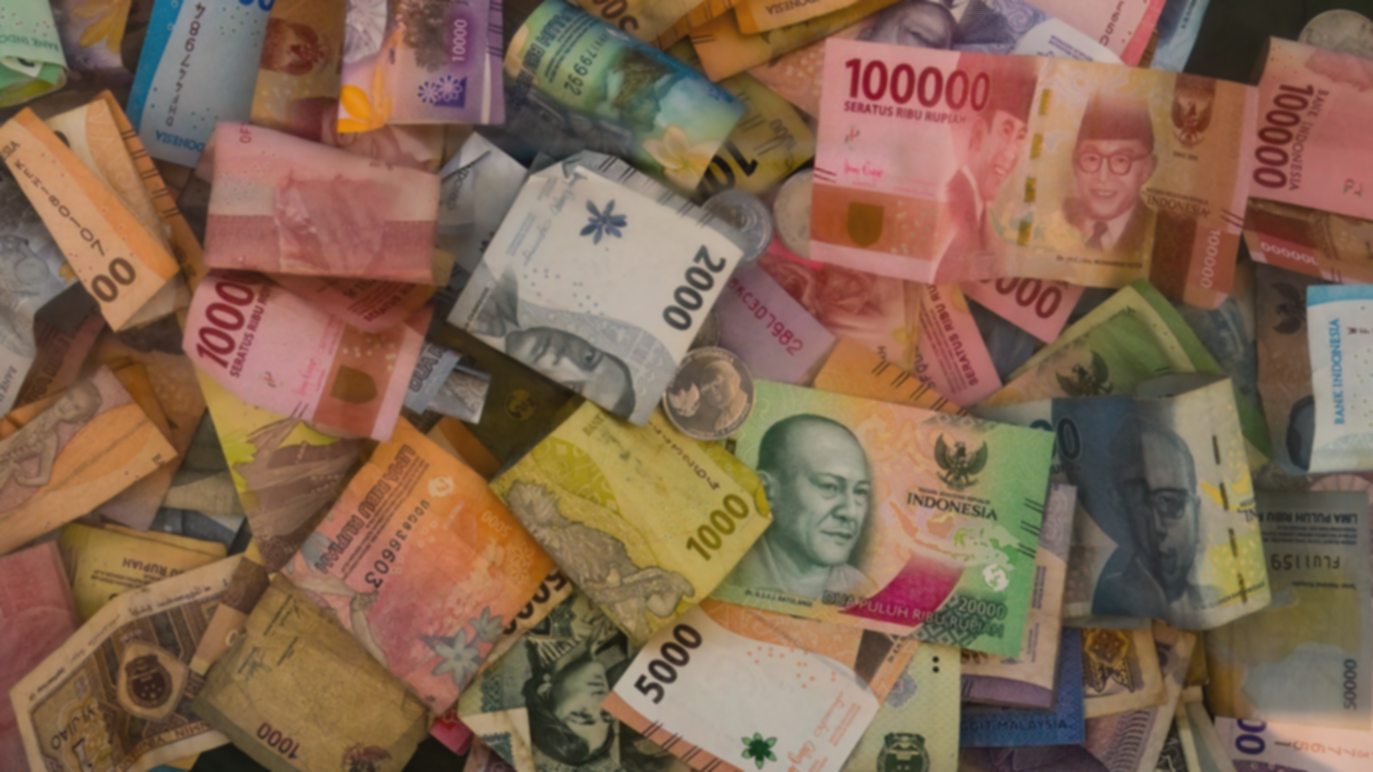

When the US-Israel conflict with Iran erupted in late February, its repercussions were felt far beyond the Middle East. As the confrontation disrupted global trade routes, oil prices surged, fueling inflation and sending shockwaves across international markets.
As is often the case during periods of profound uncertainty, many investors gravitated away from assets perceived as higher risk in emerging markets. Instead, they opted to channel their capital into the US dollar, traditionally revered as a secure safe-haven asset.
This significant shift had a cascading effect on numerous currencies worldwide. Some experienced sharp depreciation, others entered periods of heightened volatility, while a select few even strengthened.
Oil prices “affect everyone… currency fluctuations can either amplify or cushion that impact,” explained André Perfeito, a Brazilian economist who leads the APCE consulting firm. Understanding these dynamics becomes crucial when combined with other prevailing economic factors. The central question then becomes: what do these currency fluctuations truly mean for individual nations and their citizens?
Countries Under Pressure
Nations heavily reliant on energy imports, particularly oil, immediately faced intense pressure on their domestic currencies. This category notably includes India, Indonesia, the Philippines, Thailand, and Egypt, all of whom grappled with soaring fuel costs and persistent foreign exchange shortages.
As investors redirected funds into the US dollar, demand for these countries’ local currencies waned, leading to their significant weakening. Consequently, the cost of servicing and repaying US dollar-denominated debt surged dramatically, adding further strain to their national finances.
Compounding the challenge, crude oil and many other goods — particularly those impacted by disruptions in the Strait of Hormuz — are predominantly priced in US dollars.

A depreciating currency inevitably makes imports more expensive, affecting a vast array of goods from petrol and plastics to crucial agricultural fertilizers. This increased cost trickles down directly to consumers, manifesting as higher prices for food and everyday essentials in stores.
In India, for instance, the rupee has weakened by approximately 5% against the US dollar since the onset of the Iran-US conflict, repeatedly hitting new lows as oil prices escalated. This depreciation merely intensified an existing downward trend that had begun even before the conflict.
In response to these challenges, several central banks implemented measures such as raising interest rates and selling portions of their US dollar reserves to bolster their national currencies. Bank Indonesia, for example, adopted both strategies, repeatedly selling dollars and buying rupiah to stimulate demand.
While higher interest rates offer better returns on savings for individuals, they simultaneously translate into more expensive debt repayments, impacting everything from mortgages to other loans.
Volatile and Resilient Currencies
Other currencies exhibited more volatile behavior, reacting sharply to shifts in global market sentiment. Countries such as South Africa, Colombia, Chile, and Mexico fall into this category. Their currencies typically weaken when investors seek safe havens like the dollar but can recover swiftly when commodity prices rise or risk appetite returns.

Conversely, some energy exporters, including Brazil and Malaysia, directly benefited from elevated oil prices. Higher oil revenues bolstered their export earnings and stimulated investor interest. In April reports to clients, banks like Goldman Sachs and Bank of America highlighted strong demand for Brazilian government bonds and corporate stocks, with Goldman Sachs even designating Brazil as a top pick among emerging markets.
However, this boon comes with caveats. Martín Castellano, head of Latin America research at the Institute of International Finance, cautioned that higher energy prices could stoke inflation in Brazil, potentially delaying interest rate cuts and impacting capital flows. Brazil also imports refined products like gasoline and diesel, which contributes to higher domestic fuel costs. Furthermore, political uncertainty leading up to the presidential election in October is expected to “increase the risk premium on the exchange rate,” according to economist Luiza Pinese of Brazilian investment management firm XP in a recent report.

Meanwhile, another group of currencies demonstrated greater resilience for distinct reasons. China’s currency, for instance, remained relatively stable, primarily supported by stringent capital controls and proactive policy interventions designed to limit sharp fluctuations. These measures encompass restrictions on money flows into and out of the country, alongside direct central bank intervention to meticulously manage the yuan’s exchange rate.
The Russian ruble emerged as one of the best-performing currencies against the dollar since the Iran conflict began. This strength is attributed to robust energy revenues and strict capital controls, including policies requiring exporters to convert foreign currency earnings into rubles and limiting outflows of capital.
Developed Economies: A Mixed Picture
Currencies of developed nations generally strengthened at the onset of the crisis as investors sought security. Both the US dollar and the Swiss franc reached initial peaks before moderating back to pre-conflict levels.
Oil-linked currencies, such as the Norwegian Krone, received a significant boost from rising crude oil prices, reflecting their national economic interests.

However, the Japanese yen defied the typical trend for developed market currencies, experiencing weakening. This anomaly is largely due to Japan’s profound reliance on energy imports, making it vulnerable to rising global oil prices. The Canadian and Australian dollars also benefited from stronger commodity prices, including crude oil, natural gas, metals, iron ore, and coal, though concerns about global growth and trade tensions somewhat capped their gains.
The Euro and Pound Sterling also navigated periods of volatility, driven by anxieties over escalating energy costs, persistent inflation, and a potential slowdown in European economic growth.
The Road Ahead
Economists observe that while the initial attacks on Iran prompted a flight to safer assets and strengthened the dollar, the US currency has since softened as the conflict has progressed. This development is largely seen as a potential boon for emerging markets.
“A weaker dollar typically implies looser monetary conditions, more room for interest rate cuts in emerging markets, and a reduction in risk aversion — all of which benefit emerging markets,” explained economists at UK-based global investment firm AllianceBernstein in a recent report.

The firm further underscored the dollar’s enduring central role, noting that a substantial portion of emerging market debt is denominated in US dollars, and key commodities are also priced in the currency. Therefore, a depreciating dollar tends to significantly improve their economic outlook.
Despite these potential benefits, the IMF issued a stern warning in April, stating that ongoing disruptions from the Iran conflict are propelling the global economy towards “adverse” conditions. This scenario is characterized by a challenging combination of weaker growth and elevated inflation.
In such a situation — where oil prices remain persistently high, inflation becomes less stable, and financial conditions tighten — global growth could decelerate to 2.5% with inflation climbing to 5.4%. This stands in stark contrast to current projections of 3.1% growth and 4.4% inflation. The IMF also outlined an even more severe scenario, envisioning global growth plummeting to 2.0% and inflation soaring past 6%. The institution is expected to update its projections again in July, providing further clarity on the evolving global economic landscape.
Summary
The US-Iran conflict triggered global market disruptions, causing oil prices to surge and investors to shift capital from emerging markets to the US dollar. This led to widespread currency depreciation and volatility, particularly for nations reliant on energy imports like India, Indonesia, and the Philippines. These countries faced increased import costs and pressure on their local currencies, prompting central banks to raise interest rates and sell dollar reserves.
Conversely, energy exporters like Brazil benefited from increased oil prices, while China and Russia demonstrated currency resilience through capital controls and strong energy revenues. Developed nation currencies mostly strengthened initially, though the Japanese yen weakened due to energy import reliance. Although the dollar has recently softened, offering potential benefits to emerging markets, the IMF warns that the ongoing conflict could lead to “adverse” global economic conditions with weaker growth and elevated inflation.