
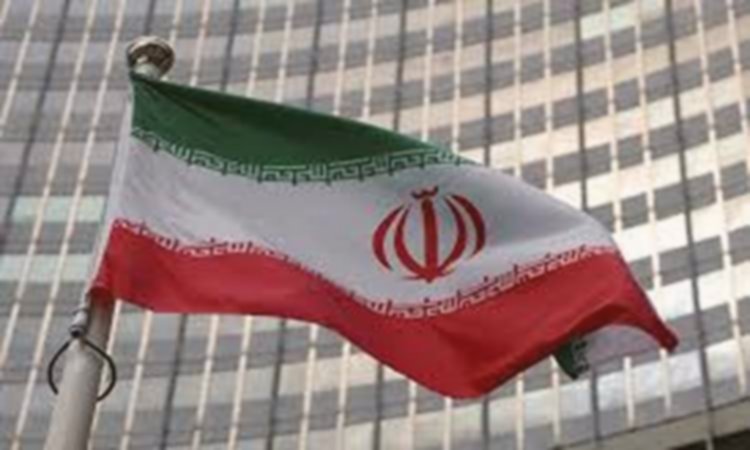

Tensions between Iran and the United States have reached a critical point following a retaliatory strike by Iran’s Islamic Revolutionary Guard Corps (IRGC) against a US military base. The operation, which took place early Thursday morning, was framed by Tehran as a direct response to a US airstrike conducted near Bandar Abbas Airport.
In an official statement released by the semi-official Tasnim news agency, the IRGC confirmed that the strike was executed at 04:50 local time. The operation targeted a US base that Iran identified as the source of the previous day’s hostilities. Tehran issued a stern warning to Washington, signaling that any further acts of aggression in the Persian Gulf or the Strait of Hormuz would be met with even “more decisive and firm” military responses.
A Cycle of Escalating Military Action
The latest strike follows a series of defensive maneuvers announced by the US military just hours earlier. Washington stated that these operations were conducted in response to prior provocations, claiming they had successfully neutralized four one-way attack drones in the Strait of Hormuz and destroyed a ground control station in Bandar Abbas.
This rapid succession of military engagements marks the second time in three days that the two nations have traded blows, fueling concerns over a fast-paced escalation in the Middle East. As a primary artery for global oil distribution, the Strait of Hormuz remains a focal point for international security and energy market stability.
Regional Impact and Global Energy Concerns
While Iranian officials have not specified the exact location of the targeted base, the Kuwaiti military reported responding to hostile missile and drone activity on Thursday. Investigations are ongoing to determine if the incidents are directly linked, as US authorities have yet to provide official details regarding the impact of the IRGC’s claims.
Analysts are warning that the situation has reached a highly sensitive threshold. With both nations now actively engaging in direct military tit-for-tat exchanges, the region stands on edge. Given the strategic importance of the Gulf—which hosts numerous US military installations and critical energy trade routes—any further escalation threatens to trigger significant volatility in global oil prices and broader economic instability.
Global Oil Prices Surge Over 3 Percent Following Latest US-Iran Clash
Summary
Tensions between the United States and Iran have escalated significantly following a retaliatory strike by the Islamic Revolutionary Guard Corps against a US military base. Tehran stated the operation was a direct response to a prior US airstrike near Bandar Abbas, warning that further aggression in the Strait of Hormuz will be met with decisive military action. The US previously claimed it neutralized several Iranian drones and destroyed a ground control station in the region, marking a cycle of rapid military exchanges.
The situation has raised global concerns, as the Strait of Hormuz is a critical artery for international energy distribution and market stability. While authorities investigate reports of hostile activity near Kuwait, analysts warn that the direct tit-for-tat engagements threaten broader regional security. Consequently, the escalating conflict has already triggered a surge in global oil prices and increased fears of further economic instability.