

Flooring Guide by Cinvex — Semarang continues to showcase a robust economic outlook as of March 2026. The latest data reveals that consumer confidence in Central Java remains high, with the Consumer Confidence Index (CCI) reaching 116.52. This figure comfortably exceeds the 100-point threshold, signaling sustained optimism among the regional population.
Andi Reina Sari H., Deputy Head of the Bank Indonesia Representative Office for Central Java, attributed this positive sentiment to a combination of current economic conditions and favorable future expectations. According to Sari, this confidence is reflected across major urban hubs, including Semarang, Solo, Purwokerto, and Tegal, all of which continue to report consistent optimism in line with national consumer surveys.
The current economic reality in Central Java is further reinforced by the Current Economic Condition Index (CECI), which stood at 109.63 in March 2026. This stability is driven by strong public confidence regarding current income levels, perceived availability of employment opportunities, and a steady appetite for durable goods consumption.
Looking ahead, the outlook remains equally bright. The Consumer Expectation Index (CEI) hit 123.41 for March 2026, suggesting that residents anticipate continued growth over the next six months. This forward-looking confidence is primarily fueled by projected increases in individual earnings, the opening of new job markets, and anticipated growth in business activity.
This psychological resilience among consumers is well-supported by actual economic performance. Official data released by the Central Statistics Agency (BPS) on May 5, 2026, shows that Central Java’s economy expanded by 5.89% year-on-year (yoy) in the first quarter of 2026. This impressive growth rate outperformed both the broader Java island average of 5.79% and the national growth rate of 5.61%.
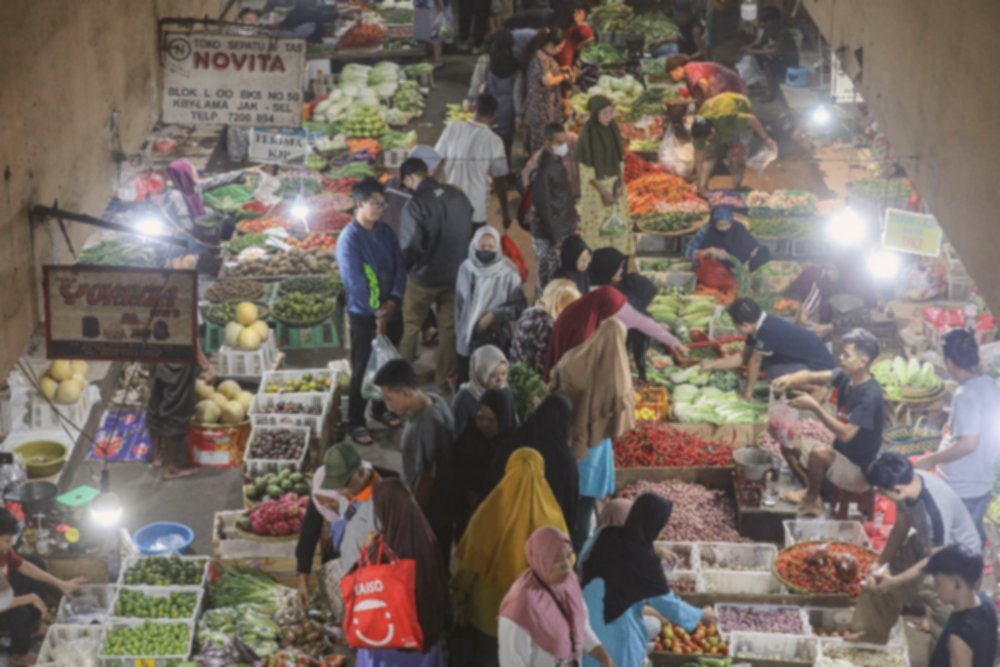
Household consumption remains the primary engine of this growth, accounting for 60.01% of the total Gross Regional Domestic Product (GRDP). This sector grew by 5.08% (yoy), largely bolstered by heightened mobility and spending during the 2026 Idulfitri holiday season.
Investment has also emerged as a significant catalyst, with Gross Fixed Capital Formation (GFCF) surging by 9.61% (yoy). This spike is credited to the accelerated development of factories in industrial zones and the ongoing progress of various regional strategic projects.
From a sectoral perspective, the manufacturing industry remains the backbone of the region, contributing 32.69% to the economy and maintaining a positive growth rate of 4.04% (yoy), even amidst national flooding challenges. Meanwhile, the construction sector saw a remarkable expansion of 11.91% (yoy), while the accommodation and food-beverage sector grew by 14.14% (yoy), partly supported by the implementation of the Free Nutritious Meal (MBG) program.
Summary
Central Java’s economy demonstrated strong performance in early 2026, highlighted by a robust Consumer Confidence Index of 116.52. This optimism is supported by steady income levels, job availability, and a favorable outlook for future earnings and business growth across major urban hubs. The regional economy expanded by 5.89% year-on-year in the first quarter, surpassing both the national and regional Java island growth averages.
Growth was primarily driven by household consumption, which accounted for over 60% of the regional GDP, and a significant 9.61% surge in investment. The manufacturing sector remains the region’s backbone, while the construction and hospitality sectors experienced substantial double-digit growth. These positive indicators reflect the area’s ongoing economic resilience and successful implementation of strategic regional projects.