
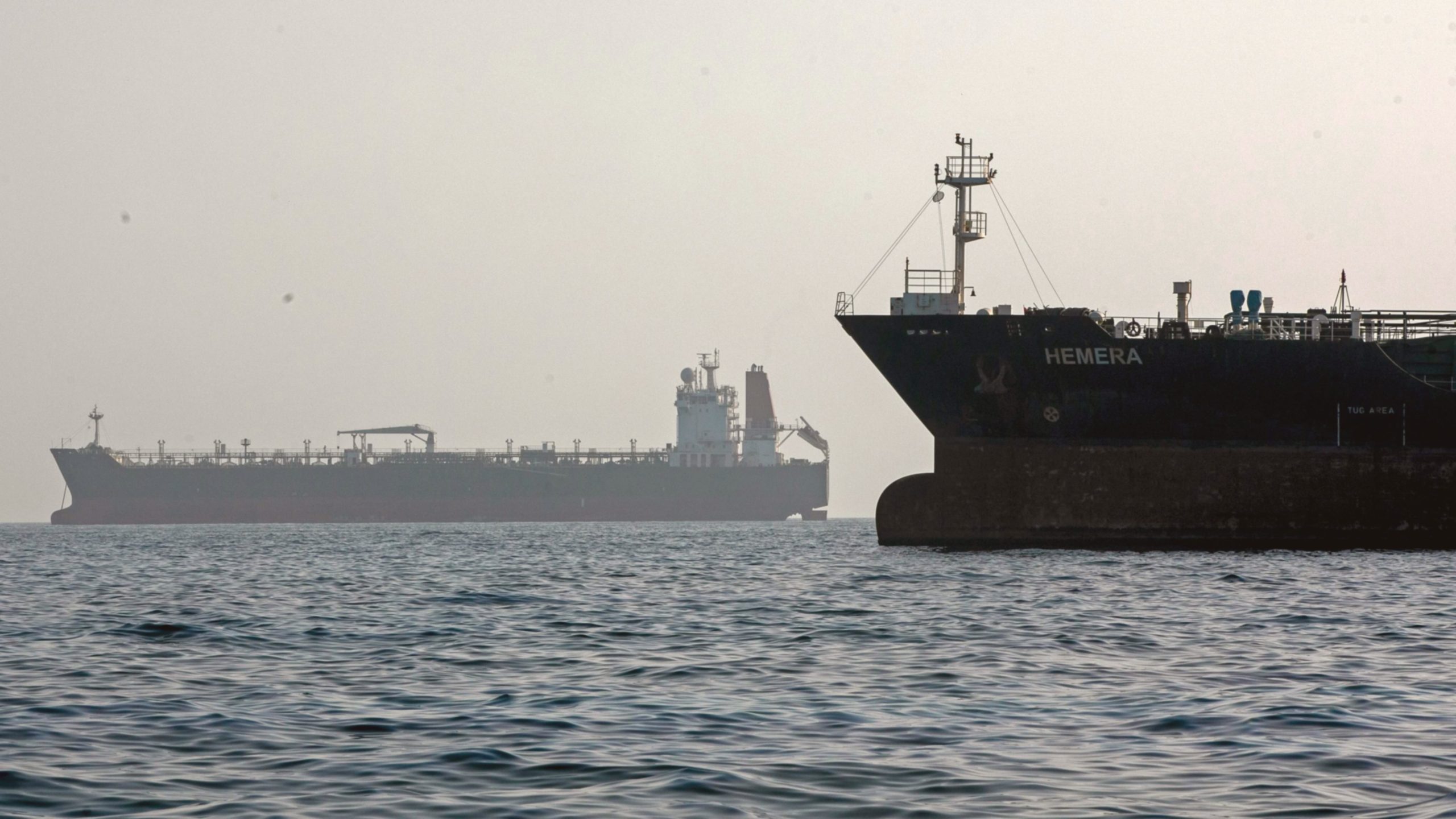

The United States claimed to have struck several Iranian military sites over the weekend, while Tehran responded by targeting a base used by American forces. This confrontation marks the third major escalation in the Strait of Hormuz within a single week, further heightening regional instability.
United States Central Command (Centcom) characterized the operations as “defensive strikes” in response to “aggressive Iranian actions,” specifically citing the downing of a U.S. drone over international waters. Conversely, the Islamic Revolutionary Guard Corps (IRGC) stated they targeted an airbase utilized by U.S. forces for recent operations against southern Iran, though they did not disclose the precise location.
Amidst the exchange, Kuwait—which hosts U.S. military installations—reported that its air defense systems were “engaging hostile missile and drone attacks.” While state news agency KUNA noted that air raid sirens sounded across the country, no further operational details were provided.
In a post on Truth Social on Monday morning, Donald Trump urged his critics to “sit back and stay calm,” expressing confidence that everything “will end up well in the end.” The former president also asserted that Iran is “desperate to make a deal” and that an agreement would be “great for the U.S.”
This latest surge in violence follows the collapse of high-stakes negotiations aimed at ending months of hostilities. U.S. media outlets, including CBS News, reported that President Trump has requested modifications to the draft agreement. The proposed changes reportedly involve regulations regarding shipping lanes in the Strait of Hormuz and the total removal of high-grade enriched uranium. The White House has not yet responded to requests for comment.
The lead Iranian negotiator stated on Sunday that Tehran will not commit to any deal unless its national rights are fully guaranteed. Meanwhile, Centcom detailed on social media that its jets successfully struck Iranian air defense systems, a ground control station, and two drones that were deemed an “imminent threat to vessels transiting the region.” These strikes occurred in the city of Goruk and on Qeshm island in the Strait of Hormuz. The U.S. military confirmed that no personnel were injured during the engagement.
The IRGC claimed their retaliatory actions hit an airbase used by the U.S. to attack communication towers on Sirri Island in the Gulf, located roughly 65km from the Iranian coastline. Furthermore, the IRGC warned, as reported by the semi-official Fars news agency, that their response would be “entirely different” should U.S. “aggression” continue.
Tehran previously struck a Kuwaiti airbase last week in response to earlier U.S. airstrikes, which Washington claimed were necessary to prevent Iranian ships from mining shipping lanes. Despite an initial ceasefire that began on April 8, a formal peace agreement remains elusive. Although President Trump has frequently claimed that negotiations are progressing, a decisive framework has yet to be finalized.
Senior advisors met on Friday to reach a final decision on extending the ceasefire, but the meeting concluded without a clear path forward. The latest proposed terms, according to CBS News, include a 60-day cessation of hostilities, the reopening of the Strait of Hormuz, and a roadmap for renewed talks regarding Iran’s nuclear program.
With approximately one-fifth of global oil and liquefied natural gas (LNG) shipments passing through the Gulf, the ongoing de facto trade embargo has caused significant volatility in fuel prices worldwide. As both nations continue to navigate this fragile standoff, the global energy market remains on edge.
- U.S. strikes Iranian targets for the second time in three days; Tehran denounces the move as a “serious violation of the ceasefire”
- Iran’s mosquito fleet challenges the U.S. Navy in the Strait of Hormuz
- Global cost of living rises as the U.S.-Iran conflict impacts major industries
- The mystery surrounding former Iranian President Ahmadinejad’s role in the U.S.-Iran war
- “Like prisoners released”: Iranians experience relief following the end of internet blackouts
- U.S. strikes Iranian targets for the second time in three days; Tehran denounces the move as a “serious violation of the ceasefire”
Summary
The United States conducted defensive strikes against Iranian radar sites and air defense systems in the Strait of Hormuz following the downing of a U.S. drone. In retaliation, the Islamic Revolutionary Guard Corps targeted an airbase used by American forces, while Kuwait reported active engagement of hostile missiles and drones. No personnel injuries were reported during these exchanges, which mark a significant escalation in regional tensions.
These hostilities persist despite ongoing efforts to finalize a peace agreement and extend a fragile ceasefire. Negotiations remain stalled due to disagreements over shipping lane regulations and uranium enrichment terms, further destabilizing global energy markets. As both nations continue their military standoffs, the lack of a formal framework leaves the future of regional security uncertain.