
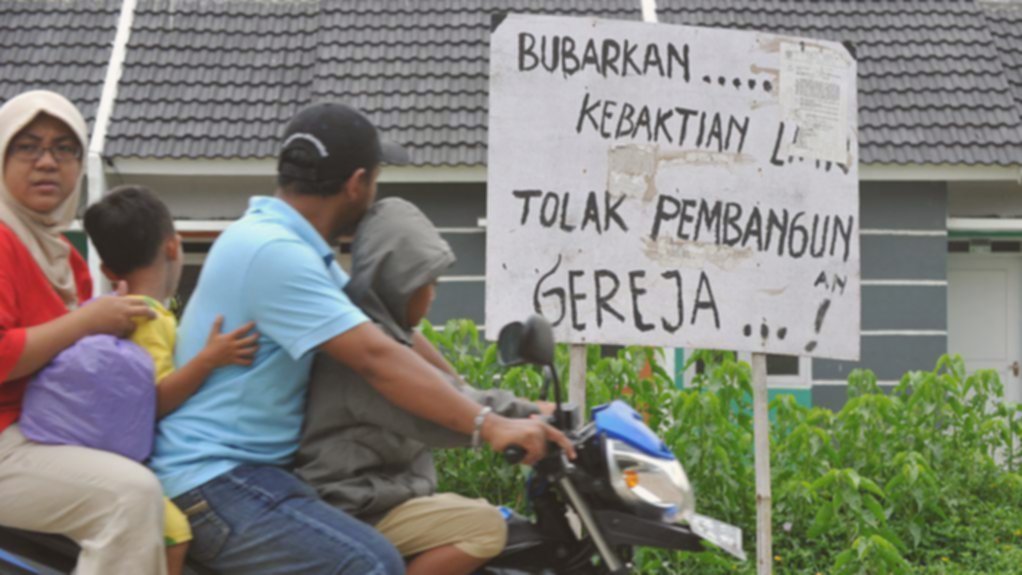

A group from the Islamic Jihad Forum (FJI) in Yogyakarta forcibly disbanded a worship service held by the Gereja Misi Sejahtera (GMS) congregation in Sewon, Bantul, on Sunday, May 24. The incident was reportedly marked by allegations of intimidation, as well as physical and verbal threats.
This incident is not an isolated case. Just two months prior, hundreds of people demanded the permanent closure of a house of prayer belonging to the POUK Tesalonika congregation in Teluknaga, Tangerang Regency. Data from the Setara Institute reveals that throughout last year, there were 221 documented incidents of violations against religious freedom in Indonesia, affecting 239 victims. The primary patterns of these violations include property destruction, rejection of worship activities, the sealing of buildings, and outright bans on religious gatherings.
As these violations continue to repeat, critical questions arise: Are existing regulations failing to prevent such intolerance, or are they inadvertently acting as the catalyst for these recurring conflicts?
Conflicting Perspectives Among Local Residents
On May 24, 2026, Jalan Wirjono Projodikoro in Bantul became a scene of tension as crowds gathered to watch the FJI disband the GMS worship service. Mbah Ipin, a 61-year-old resident who operates a small shop next to the GMS building, witnessed the event. While he noted that the shop was crowded with people curious about the commotion, he admitted that he had previously been unaware that the building—which he assumed was a warehouse—was being used as a church.
Reflecting on the situation, Mbah Ipin expressed that he has no objection to the church’s presence. “Worship is a fundamental right, an expression of faith in the Creator. As long as it does not disturb anyone, it should be allowed. Perhaps those who protested are simply envious; I honestly do not know,” he said.

A neighboring resident, 65-year-old Zainar, echoed these sentiments, emphasizing that every individual has the right to practice their faith. “It is not a problem for me. My religion teaches me to respect others. As long as the people are kind and respectful, that is what matters,” she explained. She added that she had even encountered construction workers from the church who would purchase food at her shop, and she welcomed the increased foot traffic in the area.
Conversely, some residents remain firmly opposed to the GMS. The head of RT 06, Glugo Kulon, who requested anonymity, stated his disapproval. He claimed that the GMS had initially only applied for a permit for a foundation office, not a church, leading to a lack of transparency regarding the building’s true purpose.

While local officials in Glugo and Panggungharjo declined to comment on the division within the community, Yulius Suharta, the Acting Head of the Bantul National Unity and Politics Agency (Kesbangpol), emphasized that the freedom to worship is guaranteed by the Constitution. He stated that the government remains committed to ensuring that all citizens can exercise their religious rights without interference.
Clashing Accounts of the Incident
Josiah Michael, spokesperson for GMS Central, described the morning of May 24 as a traumatic experience for the congregation, particularly children. He asserted that the FJI forced the service to end at 7:59 AM, accompanied by acts of intimidation. “Restricting worship through intimidation and violence violates the values of tolerance and national harmony,” Michael stated.

Abdurrahman, Chairman of FJI DIY, confirmed his organization’s involvement, claiming they acted in response to complaints from local residents who opposed the church’s presence and its planned inauguration. Abdurrahman argued that the GMS had failed to follow proper administrative procedures, specifically citing the lack of neighborly consent. “If they want to establish a church, they must follow the procedures—get the required signatures. If the residents do not object, neither will we,” he said.
Government Response and Regulatory Challenges
Bantul Regent Abdul Halim Muslih condemned the act of persecution, declaring that such behavior cannot be justified under religious or constitutional law. He announced that the local government, in coordination with the Ministry of Religious Affairs and the Forum for Religious Harmony (FKUB), would review the GMS permit application in accordance with the 2006 Joint Ministerial Regulation (PBM). During the review process, the building remains restricted from being used for worship.

The Bantul Police are currently investigating the incident, while Governor Sri Sultan Hamengku Buwono X reminded the public that diversity is an inherent part of human existence. “Difference is a given; no one has the right to claim their truth is the only truth,” the Sultan remarked.
The Roots of Intolerance
The Setara Institute points to the 2006 Joint Ministerial Regulation (PBM) as a primary source of institutionalized discrimination. The regulation requires a minimum of 90 congregants and 60 signatures of support from local residents of different faiths to establish a house of worship. Experts argue that this requirement effectively grants a “social veto” to majorities, allowing them to block the religious rights of minorities.
Thowik, an activist with the Union of Journalists for Diversity (Sejuk), suggests that these hurdles create opportunities for corruption and extortion, where obtaining signatures or permits becomes a financial burden for minority groups. Despite previous plans by the former Minister of Religious Affairs to remove the requirement for an FKUB recommendation, the policy remains largely unchanged.

Experts advocate for a more progressive presidential regulation that prioritizes objective criteria—such as urban planning compliance—over the subjective approval of others. Until such systematic reforms are implemented, the recurring pattern of religious intolerance and the disruption of worship services appear likely to persist.
Summary
A worship service of the Gereja Misi Sejahtera (GMS) congregation in Bantul was forcibly disbanded by the Islamic Jihad Forum (FJI) on May 24, involving alleged intimidation. This incident reflects a wider issue in Indonesia, where 221 religious freedom violations were documented last year, including rejection of worship and building closures. Local residents expressed conflicting views, with some supporting the church’s presence while others opposed it due to permit transparency issues.
Bantul officials condemned the disruption, stating the GMS permit application would be reviewed under the 2006 Joint Ministerial Regulation (PBM), temporarily halting worship activities. The Setara Institute highlights this PBM as a driver of intolerance, as its requirements for congregant and neighbor signatures often grant a “social veto” to majorities. Experts call for regulatory reforms prioritizing objective criteria to combat persistent religious intolerance and ensure freedom of worship.