
In recent times, grass-fed beef has become a hot topic, widely lauded as a healthier and more natural alternative to conventional meat. On social media, the term is frequently associated with healthy eating patterns and even a premium lifestyle for livestock. Yet, many consumers still ponder: Is grass-fed beef truly more nutritious, or is it simply another fleeting dietary trend?
Given its often steeper price tag, understanding whether its benefits truly outweigh the cost is a common concern. The truth is, there are some intriguing nutritional distinctions between grass-fed and conventional beef worth exploring. Before you decide to make it a regular part of your diet, let’s delve into the comprehensive facts about grass-fed beef in this article.
1. Grass-Fed Beef Comes From a Distinct Dietary Regimen 
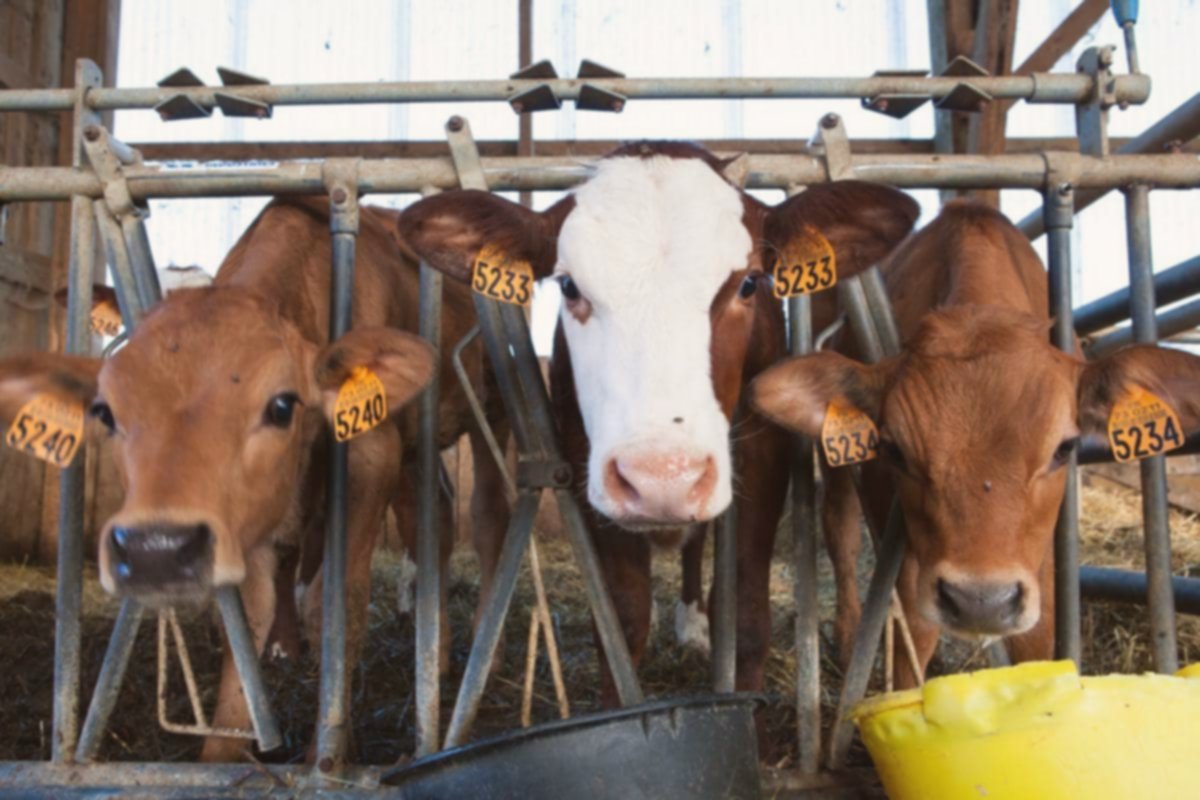
The term grass-fed is increasingly prevalent in restaurants, supermarkets, and healthy food content across social media. Many are curious because this meat is sourced from cattle that have exclusively consumed natural grass throughout their lives. Unlike conventionally raised cattle, which typically receive supplementary grain-based feeds, this natural diet is believed to significantly influence the quality of the meat.
This fundamental difference in feeding patterns is why grass-fed beef is often perceived to offer superior nutritional quality for daily consumption. Moreover, its flavor is frequently described as more authentic with a less fatty texture. While this sounds appealing, a deeper understanding of the farming system remains crucial, ensuring your dietary choices are not solely driven by passing trends.
2. Grass-Fed Beef Tends to Have Lower Fat Content 
For those embarking on a journey to healthier eating, monitoring fat intake is a common priority. Grass-fed beef is often favored for its demonstrably lower total fat content compared to its conventional counterparts. This attribute gives the meat a denser texture and a less greasy feel when cooked.
For many, this lower fat profile aids in controlling daily calorie intake, preventing overconsumption. However, it’s imperative to remember that cooking methods play a pivotal role; excessive use of butter or oil can diminish its inherent nutritional value. Therefore, opting for simpler cooking techniques like grilling or boiling can be a healthier choice for everyday meals.
3. Grass-Fed Beef is Known for Higher Omega-3 Content 
Awareness of the importance of omega-3 fatty acids for overall health has grown considerably. Interestingly, grass-fed beef is known to contain higher levels of omega-3s than regular beef. These essential nutrients are frequently linked to improved heart health, enhanced brain function, and their ability to help maintain stable body inflammation.
While the omega-3 content in grass-fed beef may not rival that found in fatty sea fish, its presence is a notable advantage that garners significant attention. Consequently, many individuals are incorporating grass-fed beef into their weekly meal plans as part of a broader healthy lifestyle. Nevertheless, maintaining a truly balanced diet is far more crucial, as the body’s nutritional needs cannot be met by just one type of food alone.
4. The Antioxidant Content in Grass-Fed Beef Also Warrants Attention 
Beyond protein and fat, an increasing number of people are actively seeking foods rich in natural antioxidants. Grass-fed beef is reported to contain higher levels of specific antioxidants, such as Vitamin E, when compared to conventional beef. These compounds are believed to help the body combat free radicals, which are generated by pollution, stress, or an unhealthy lifestyle.
In daily life, exposure to free radicals is almost unavoidable, especially for those who spend a lot of time outdoors. This reality motivates many to be more discerning about their food choices, opting for nutrient-dense options believed to benefit the body. Despite the advantages, consuming plenty of fruits and vegetables, alongside adopting a generally healthy lifestyle, remains the primary key to comprehensive well-being.
5. The Higher Price of Grass-Fed Beef Often Raises Questions 
Upon encountering the price tag for grass-fed beef at the supermarket, many consumers understandably hesitate. The elevated cost is typically attributed to the natural farming process, which demands more time and greater financial investment. This leads some consumers to question whether the nutritional benefits truly justify the additional expense.
Conversely, other individuals consciously choose to purchase it, feeling more confident about the quality of the meat they are consuming. Ultimately, this decision largely depends on personal needs, health conditions, and individual dietary preferences. For those considering trying it, starting with smaller portions can be a prudent approach before integrating it into regular consumption.
6. Grass-Fed Doesn’t Automatically Mean Healthiest for Everyone 
In recent times, “healthy” claims on food items often lead people to immediately assume they are superior to all others. However, grass-fed beef is fundamentally still red meat and should be consumed in moderation to maintain bodily balance. Over-reliance on it without considering other dietary inputs can actually prevent its nutritional benefits from being optimized.
Many tend to focus excessively on a single food type, overlooking the paramount importance of an overall lifestyle. In reality, sleep quality, physical activity, and adequate fruit and vegetable intake all play significant roles in maintaining body health. Therefore, understanding the benefits of grass-fed beef realistically is far more crucial than simply following popular trends.
The choice to include grass-fed beef in your diet ultimately comes down to individual needs and lifestyle. The most important aspect isn’t merely adhering to a trend, but understanding what your body truly requires. Because a balanced diet will always be the cornerstone for a healthier life in the long run.
References
“A Review of Fatty Acid Profiles and Antioxidant Content in Grass-Fed and Grain-Fed Beef.” Nutrition Journal. Accessed May 2026.
“Fatty Acid Composition of Grain- and Grass-Fed Beef and Their Nutritional Value.” Food Science of Animal Resources. Accessed May 2026.
“Pengaruh Aras Energi Pakan dan Skor Kondisi Tubuh terhadap Produksi dan Kualitas Fisik Daging Sapi Bali.” Jurnal Peternakan Indonesia. Accessed May 2026.
How Often Can You Eat Beef in 1 Week? Is It Safe for Gout Sufferers to Still Eat Eid al-Adha Beef? What Happens to Your Body if You Eat Red Meat Every Day?
Summary
Grass-fed beef, which originates from cattle raised exclusively on natural pasture, offers distinct nutritional advantages over conventional grain-fed beef. It typically contains lower total fat content, higher levels of essential omega-3 fatty acids, and increased concentrations of antioxidants like Vitamin E. These attributes are often linked to better heart health and an improved ability to combat oxidative stress from free radicals.
Despite these benefits, the higher cost associated with its natural production process warrants careful consideration regarding individual dietary goals and budget. While grass-fed beef is a nutrient-dense option, it remains a form of red meat that should be consumed in moderation as part of a balanced diet. Prioritizing overall lifestyle factors, such as regular physical activity and the consumption of fruits and vegetables, remains more critical for long-term health than relying on any single food source.