
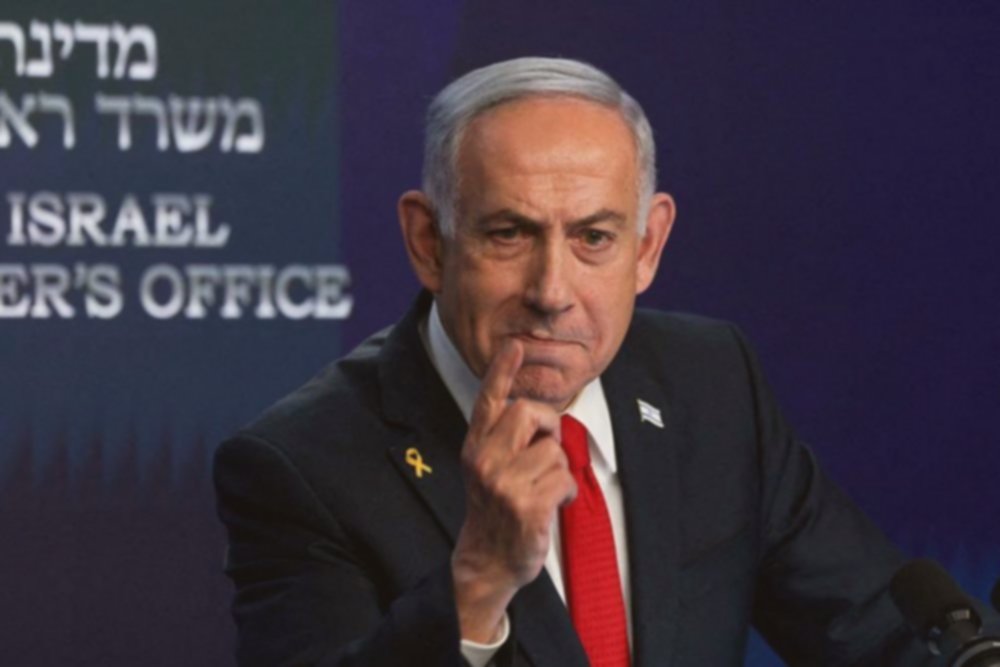

Israeli Prime Minister Benjamin Netanyahu ordered a strike on the Hezbollah-controlled southern suburbs of Beirut on Monday, June 1. This significant military escalation further complicates ongoing mediation efforts aimed at resolving the broader conflict involving the U.S. and Iran.
Iranian Foreign Ministry spokesperson Esmaeil Baghaei stated that Israel’s military actions in Lebanon have stalled diplomatic processes intended to end the U.S.-Iran conflict. He reiterated that a ceasefire in Lebanon remains a non-negotiable, integral component of any potential peace agreement.
In response to Israeli evacuation warnings, residents have begun fleeing the Dahiyeh district in Beirut’s southern suburbs. This movement represents the latest wave of displacement in a conflict that has already forced more than 1 million people in Lebanon to leave their homes.
In a video statement reported by Reuters on Monday, Netanyahu declared, “There will be no situation where Hezbollah attacks our cities and citizens, and their terrorist headquarters in Beirut, in Dahiyeh, remain off-limits.”
Read also:
- UN Report: Israeli and Russian Soldiers Accused of Abusing Male Detainees and Children
- PM Netanyahu Orders Israeli Forces to Take Control of 70% of Gaza Territory
- Toxic Gas from Israeli Strike on Iranian Oil Facility Compared to Volcanic Eruption
Netanyahu noted that Israel is intensifying its ground operations within Lebanon. Israeli forces have established a self-declared security zone in the south, claiming the move is essential to protect northern Israel from persistent Hezbollah attacks.
Following an intense bombing campaign during the initial weeks of the war, Israel had restricted strikes on the southern suburbs to only two instances since U.S. President Donald Trump announced a Lebanon ceasefire on April 16. This shift occurred even as hostilities continued to rage throughout southern Lebanon.
The conflict escalated on March 2, when Hezbollah initiated fire toward Israel in a show of solidarity with Iran, following reports of strikes involving the U.S. and Israel.
Mass Displacement of Civilians
“This is the third time since the ceasefire that we have had to move,” said 61-year-old Naji Musulmani, as he navigated a pickup truck loaded with mattresses through congested Beirut streets, moving away from the southern suburbs. Having recently fled the south, Musulmani stated that he is now seeking refuge in the northern Lebanese city of Tripoli.
According to an official statement from the Prime Minister’s office, Netanyahu and Israeli Defense Minister Katz authorized the military to strike “terrorist targets” in the southern suburbs. The order was issued following what they described as “repeated violations” of the ceasefire by Hezbollah and ongoing “attacks against our cities and citizens.”
Summary
Israeli Prime Minister Benjamin Netanyahu has ordered military strikes against Hezbollah-controlled districts in Beirut, signaling a significant escalation in the ongoing conflict. Netanyahu stated that these operations are necessary to protect Israeli citizens from continued attacks, resulting in the establishment of a self-declared security zone in southern Lebanon. This aggressive posture comes despite prior efforts to maintain a ceasefire.
The renewed hostilities have forced residents to flee the Dahiyeh district, further increasing the widespread displacement of over one million people in Lebanon. Meanwhile, Iranian officials have criticized the strikes, warning that these actions are severely hindering diplomatic efforts to achieve a lasting peace. The situation remains volatile as military operations continue to intensify across the region.