
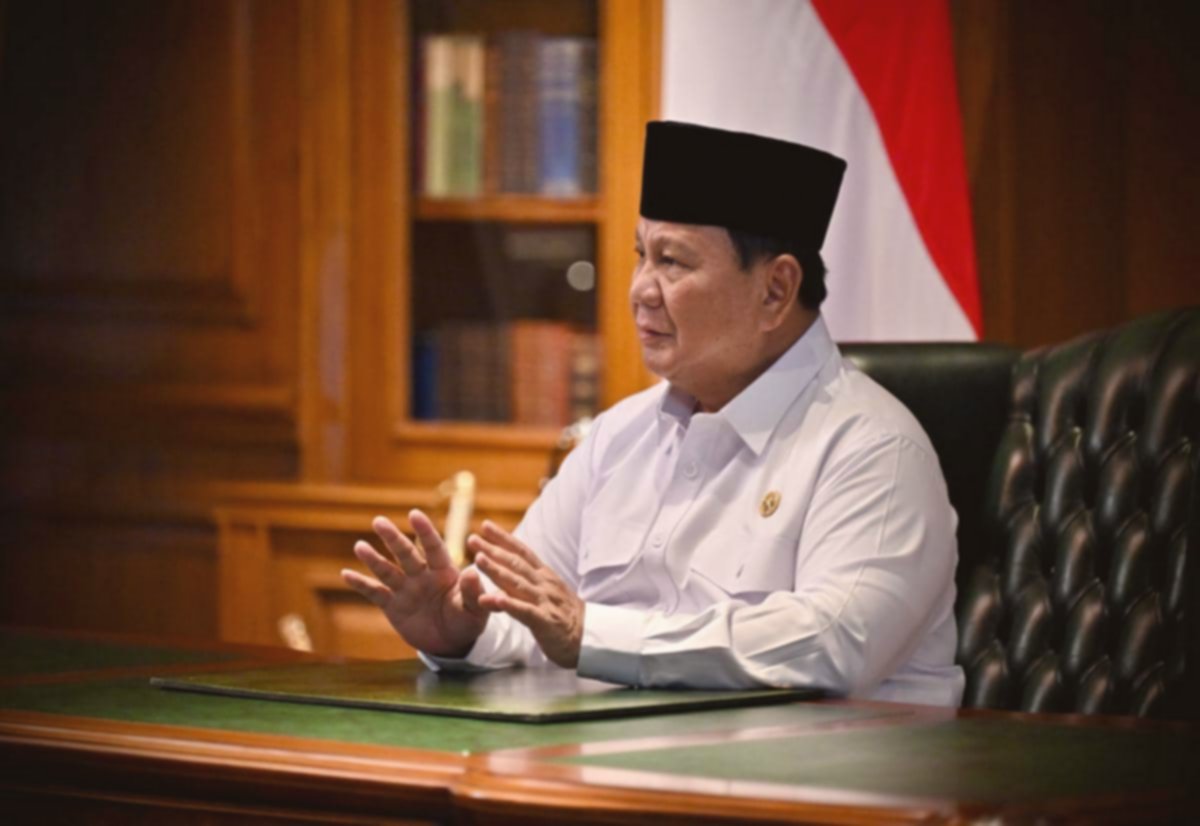
Jakarta, IDN Times – In a significant move to fortify national security, President Prabowo Subianto officially signed Presidential Regulation (Perpres) Number 8 of 2026 on February 9, 2026. This pivotal regulation, titled “Prevention and Countermeasure of Violence-Based Extremism Leading to Terrorism 2026-2029,” establishes a comprehensive framework for Indonesia’s efforts against these critical threats.
As outlined in Article 2, this Presidential Regulation is set to remain in effect for a four-year period, serving as an indispensable guideline. Its mandate extends to various government bodies, including ministries, national institutions, and regional administrations, ensuring a synchronized and cohesive approach to preventing and combating violence-based extremism that could escalate into terrorism.
One of the key provisions of Perpres No. 8 of 2026, detailed in Article 6, is the establishment of a joint secretariat dedicated to the prevention and countermeasure of violence-based extremism leading to terrorism. This secretariat is envisioned as a central coordinating body, tasked with critical responsibilities essential for the effective implementation of the regulation.
Further elaborating on its functions, Article 7 specifies that the joint secretariat will be instrumental in formulating implementation policies for the prevention and countermeasure of violence-based extremism, ensuring that national strategies are clearly defined and actionable. Beyond policy formulation, it will also play a crucial role in coordinating the execution of these preventive and counter-extremism measures across various governmental levels. Additionally, the secretariat is responsible for rigorously monitoring and evaluating the progress and impact of these initiatives, ultimately preparing detailed reports on achievements and evaluation findings to inform ongoing efforts.
Concurrently, President Prabowo also enacted Presidential Regulation (Perpres) Number 9 of 2026, also signed on February 9, 2026. This regulation focuses on the National Counter-Terrorism Agency (BNPT), specifically addressing its organizational structure. A significant change introduced in Article 7 of this new Perpres is the addition of a new deputy position within the BNPT, aimed at enhancing the agency’s operational capabilities and strategic reach in combating terrorism.
The newly created role, as stipulated in Article 14, is the Deputy for National Preparedness and Counter-Radicalization. This deputy is entrusted with the vital task of orchestrating the formulation, coordination, and execution of national counter-terrorism policies, strategies, and programs. Their purview specifically covers the critical domains of national preparedness and counter-radicalization, underscoring the government’s commitment to both proactive measures and ideological countermeasures against extremism.
Delving deeper into its specific responsibilities, Article 15 further clarifies the core functions of the Deputy for National Preparedness and Counter-Radicalization. This includes the formulation of comprehensive policies, strategic frameworks, and national programs designed to combat terrorism within the areas of national preparedness and counter-radicalization. Moreover, the deputy is tasked with coordinating and synchronizing the implementation and readiness of national preparedness and counter-radicalization efforts, ensuring seamless collaboration across relevant stakeholders.
These significant legislative actions underscore an ongoing commitment to bolstering national security, especially in light of persistent threats. Authorities like Densus 88 have recently drawn attention to vulnerable populations, such as children affected by bullying and divorce, who can be susceptible to extremist networks. Concerns have also been raised about online communities, including ‘true crime’ platforms, potentially disseminating extremist ideologies to younger audiences. The BNPT, for its part, has identified a staggering number of cyber extremism activities, with 43,204 instances requiring proactive anticipation and mitigation, highlighting the urgent need for these comprehensive new regulations.
Summary
President Prabowo Subianto officially signed Presidential Regulation (Perpres) Number 8 of 2026 on February 9, 2026, establishing a comprehensive framework for preventing and counteracting violence-based extremism leading to terrorism. This regulation, valid for four years, mandates a synchronized approach across various government bodies. A key provision is the creation of a joint secretariat to coordinate policy formulation, execution, monitoring, and reporting of these anti-extremism measures.
Concurrently, Perpres Number 9 of 2026 was also enacted, modifying the National Counter-Terrorism Agency (BNPT) structure by adding a new Deputy for National Preparedness and Counter-Radicalization. This new deputy will oversee the formulation, coordination, and execution of national counter-terrorism policies and programs in these crucial areas. These legislative actions underscore Indonesia’s commitment to bolstering national security, especially given the identified vulnerabilities of certain populations and the prevalence of cyber extremism.