
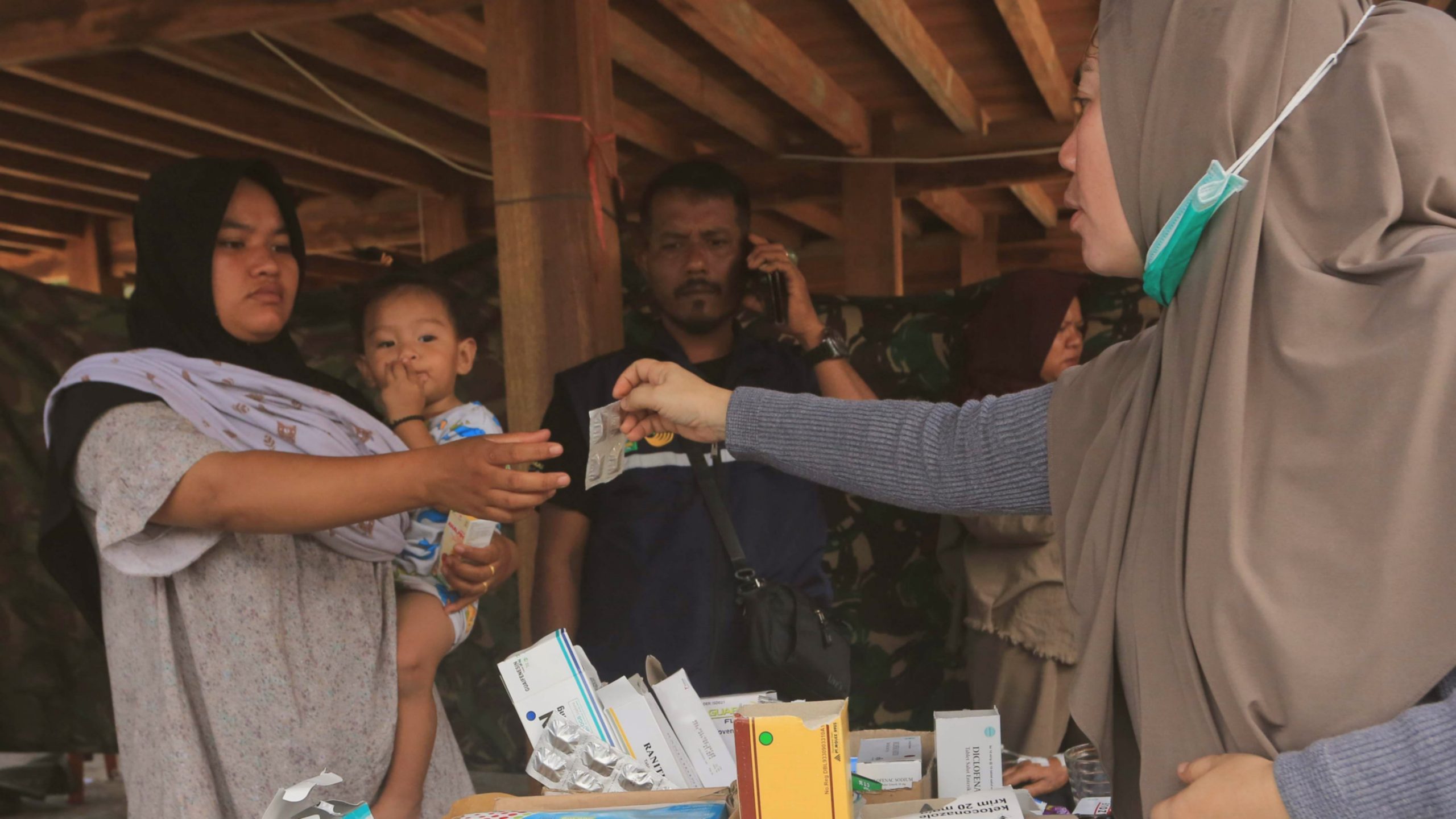
Children across Aceh, North Sumatra, and West Sumatra face profound health risks as devastating floods continue to impact these regions. The Indonesian Pediatric Society (IDAI) highlights a severe spectrum of vulnerabilities, starting with infectious diseases such as diarrhea, skin conditions, measles, tetanus, acute respiratory infections (ARIs), leptospirosis, and dengue fever.
Exacerbating these health challenges, immunization coverage in West Sumatra and Aceh remains significantly below national targets, leaving many children unprotected. Beyond physical ailments, children in these flood-affected areas grapple with concerns surrounding their mental health, disrupted developmental progress, and the potential exposure to violence while residing in displacement camps.
In light of these escalating risks, Dr. Kurniawan Taufiq Kadafi, Head of IDAI’s Disaster Management Task Force, emphasized the need for responders to view children as a comprehensive unit during disaster relief efforts, encompassing their physical health, development, and educational aspects. IDAI further urged the government to declare the Sumatra floods a national disaster, a sentiment echoed by Dr. Piprim Basarah Yanuarso, Chairman of IDAI Central Board, who stated, “We are confident that this is not just a social media sensation but a grave reality. We hope the government can classify this as a national disaster. I believe its impact is already quite significant.”
The sheer scale of the disaster underscores the urgency of IDAI’s plea. As of Wednesday, December 3, data from the National Disaster Management Agency (BNPB) reported 810 fatalities and 612 missing persons across the three provinces due to the floods and landslides. Additionally, approximately 2,600 people sustained injuries, and over 570,700 individuals were displaced, though the exact number of child victims remains undetermined.
From late November, when the torrential floods first struck parts of Sumatra, children have been acutely susceptible to a range of illnesses. The initial wave of concern centers on diarrhea and skin infections, which, according to a 2018 health study, typically manifest within the first ten days of flooding. These diseases are primarily caused by children’s contact with floodwaters contaminated by harmful germs, and several cases have already been reported among children in affected areas.
IDAI’s health screenings in North Sumatra revealed concerning trends. In Binjai, 37 out of 66 examined children suffered from ARIs, alongside 18 cases of diarrhea, seven of tinea (skin fungal infection), and four of bacterial dermatitis. Similar patterns emerged in Langkat, where out of 125 children, 55 had ARIs, 12 diarrhea, 35 tinea, and 23 bacterial dermatitis. In Medan Barat, ARIs affected 43 out of 54 children, with two severe pneumonia cases requiring hospital referral, as reported by Dr. Eka Airlangga, Deputy Head of IDAI’s North Sumatra Branch.
The situation in West Sumatra mirrored these findings. Dr. Asrawati, Head of IDAI’s West Sumatra Branch, reported 80 cases of ARIs, four of diarrhea, six of skin diseases, and four of measles in Padang alone. Tragically, as of November 28, four children had lost their lives due to the flash floods and landslides in the region. In Aceh, similar illnesses are afflicting children in flood-affected areas like Pidie Jaya, with ARIs and increasingly diarrhea and pneumonia. Dr. Raihan, Head of IDAI’s Aceh Branch, noted that assessing the full extent of child casualties in severely impacted areas from North Aceh to Aceh Tamiang remains challenging due to impassable roads.
As floodwaters slowly recede, new and equally menacing health threats emerge, including leptospirosis and tetanus, warns Dr. Raihan from IDAI Aceh. Leptospirosis, a bacterial disease, is transmitted through contact with animal urine, primarily from rats. This microorganism frequently infects children who come into contact with contaminated water, typically with an incubation period of seven to fourteen days. Symptoms of leptospirosis include sudden fever, headache, muscle pain (especially in calves and back), red eyes, and jaundice.
Another critical concern is tetanus, caused by the bacterium Clostridium tetani, which enters the body through open wounds, particularly dirty or puncture wounds. Once inside, the bacteria multiply and release neurotoxins, leading to muscle stiffness and spasms. Initial symptoms typically appear seven to ten days post-infection, though they can manifest anywhere from three days to three weeks. DTP (Diphtheria, Tetanus, and Pertussis) immunization for infants and toddlers is a crucial preventive measure. If left untreated, tetanus can lead to severe complications, including pneumonia, a lung infection resulting from difficulty swallowing and coughing, and respiratory insufficiency, which can be fatal.
The threat of dengue fever also looms large, as stagnant water left behind by the floods creates ideal breeding grounds for Aedes aegypti mosquitoes. Beyond infectious diseases, children in displacement camps face significant risks to their mental health, disrupted developmental progress, and potential exposure to violence. Dr. Kurniawan Taufiq Kadafi further elaborated on the comprehensive needs of these children, highlighting concerns over impaired development, interrupted education, and the loss of identity documents due to the disaster. He stressed that prolonged stays in crowded displacement camps could also heighten the risk of parent-to-child violence, demanding urgent attention.
Amidst this array of vulnerabilities, IDAI advocates for ensuring children receive access to clean water and nutritious, easily prepared food. Dr. Kadafi cited instant noodles as an example, noting that children often consume them improperly without handwashing, underscoring the need for thoughtful food preparation in relief efforts. Crucially, Dr. Piprim, Chairman of IDAI Central Board, emphasized the paramount importance of immunization in displacement camps, particularly against measles, a highly contagious disease that spreads rapidly in such settings. This call is underscored by alarmingly low full basic immunization (IDL) rates: in West Sumatra, a mere 0.9% was achieved by January 2025, far below the national target of 8.3%; and in Aceh, only 20.8% of children received full basic immunization in 2023, drastically lagging the national average of 95.3%. IDAI teams are prepared to provide immunizations to children found to have incomplete coverage, addressing existing cases of measles complications like pneumonia, according to Dr. Asrawati.
For mothers and infants affected by the floods, sustained breastfeeding is vital. It offers a more practical and sterile feeding method compared to formula, especially when clean water is scarce, which can otherwise increase the risk of diarrhea, malnutrition, and infant mortality, Dr. Kadafi explained. Additionally, essential supplies such as baby diapers, appropriate clothing, blankets, toiletries, and medicines are urgently needed.
On Monday, December 1, President Prabowo Subianto affirmed the government’s commitment to mobilizing all efforts to alleviate the hardships caused by the floods in Aceh, West Sumatra, and North Sumatra. During his visit to flood and landslide sites in Tapanuli Tengah, North Sumatra, President Prabowo acknowledged widespread road closures but assured that immediate action would be taken to address the difficulties. He confirmed that aid deliveries to victims would continue daily, utilizing large ships capable of docking in Sibolga and TNI Hercules aircraft to reach various points. Earlier, the Meteorology, Climatology, and Geophysics Agency (BMKG) attributed the intense rainfall, severe flooding, and landslides to Cyclone Senyar.
The combined threats of rampant disease, stunted development, and psychosocial distress paint a grim picture for the thousands of children displaced by the Sumatra floods. As aid efforts continue, the holistic well-being of these vulnerable young lives must remain at the forefront of the national and international response.
Summary
Devastating floods across Aceh, North Sumatra, and West Sumatra are exposing children to severe health risks, including infectious diseases like diarrhea, acute respiratory infections, and skin conditions. The Indonesian Pediatric Society (IDAI) notes these threats are worsened by significantly low immunization coverage in the affected areas. Children also grapple with mental health concerns, disrupted development, and potential violence in displacement camps. The disaster has caused extensive fatalities, injuries, and over 570,700 displacements, prompting IDAI to advocate for a national disaster declaration and a holistic approach to child welfare.
Emerging health threats include leptospirosis and tetanus as floodwaters recede, alongside the risk of dengue fever from stagnant water. IDAI stresses the urgent need for clean water, nutritious food, sustained breastfeeding, and essential supplies for affected families. Critically, IDAI calls for immediate immunization in displacement camps, especially against highly contagious diseases like measles, given the alarmingly low immunization rates in West Sumatra and Aceh. The government has committed to delivering aid, with the extreme weather attributed to Cyclone Senyar.